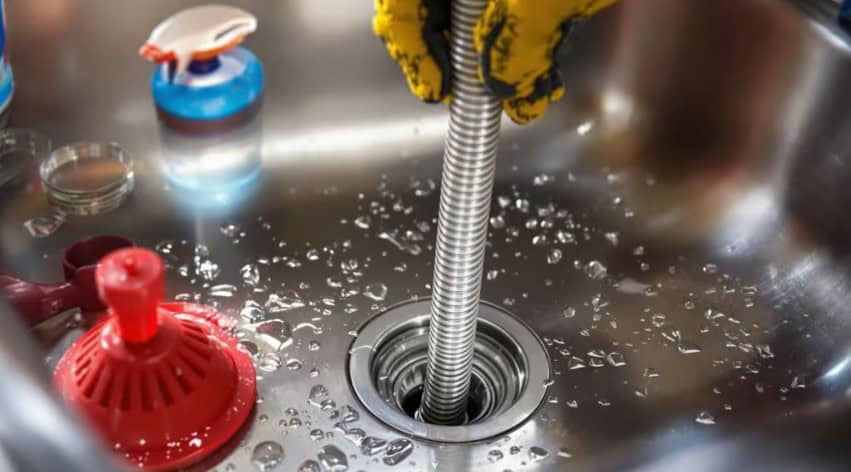
Blocked drains are a common household issue that can lead to a myriad of problems if not addressed promptly. Whether it’s a minor blockage causing slow drainage or a severe obstruction that results in overflowing sinks and foul odors, understanding the causes and solutions is essential for every homeowner. This article delves into the various reasons drains become blocked, the signs to watch for, and effective strategies for prevention and resolution.
From everyday items like hair, grease, and food particles to more complex issues such as tree roots infiltrating underground pipes, the factors contributing to blocked drains are numerous. By recognizing the importance of timely maintenance and the benefits of using professional services when needed, homeowners can safeguard their plumbing system and ensure smooth drainage for years to come. Join us as we explore the ins and outs of managing blocked drains effectively.
Common Causes of Blocked Drains
Blocked drains can often be traced back to several common culprits. Hair clogs are among the most prevalent, especially in bathroom sinks and showers. Grease buildup from cooking, when flushed down the kitchen sink, can solidify and create stubborn obstructions. Additionally, food particles, soap residues, and foreign objects can exacerbate the problem, leading to decreased water flow and unpleasant odors. In some cases, environmental factors such as tree roots invading underground pipes can lead to significant blockages. To tackle these issues effectively, homeowners should consider routine maintenance and professional services like Blocked Drains Pottsville to ensure their plumbing remains in optimal condition.
Signs of a Blocked Drain
Being aware of the signs of blocked drains can help homeowners take timely action before the situation worsens. Common indicators include slow drainage, bubbling noises from fixtures, and unpleasant odors emanating from sinks or bathrooms. Water pooling around drains or frequent backups are also warning signals that should not be ignored. If homeowners notice any of these symptoms, it is crucial to assess the situation immediately, as neglecting the problem could lead to more severe plumbing issues, including water damage and costly repairs. Regular inspections and preventive measures can mitigate these risks and maintain a healthy drainage system.
In conclusion, effectively managing blocked drains is essential for maintaining a healthy and functional home plumbing system. Homeowners need to remain vigilant about the signs of blockages and adopt proactive maintenance practices to reduce the risk of severe issues arising. From understanding the common causes and recognizing the early warning signs to knowing when to seek professional assistance, taking these steps can prevent minor inconveniences from escalating into costly repairs. By prioritizing the health of their drainage system, homeowners can enjoy peace of mind, ensuring that their plumbing operates smoothly and efficiently for years to come.
Leave a Reply