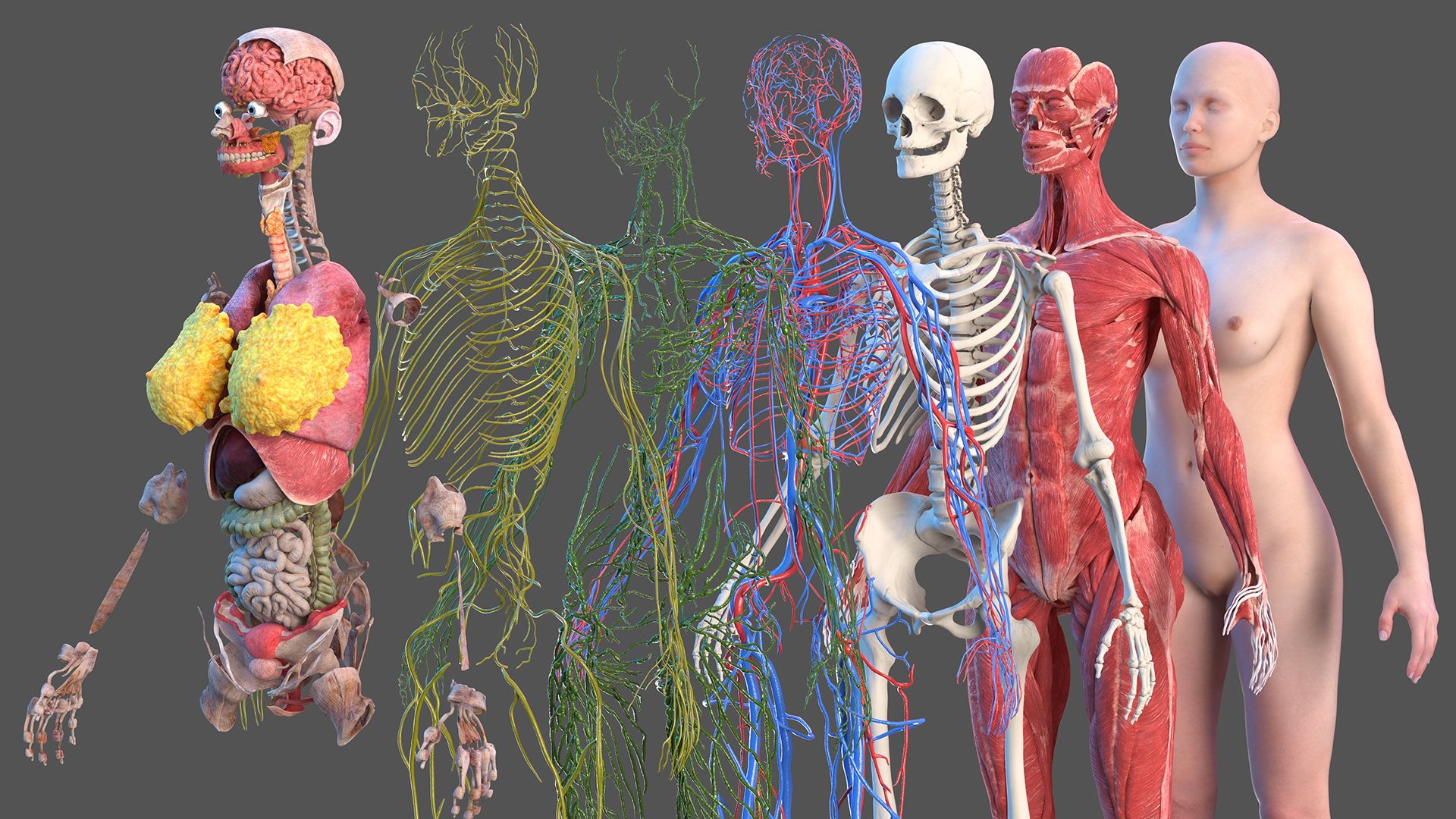
Advancements in technology have greatly enhanced our ability to study and understand the complexities of the human body. One such advancement is the creation of 3D anatomy models, which provide a detailed and interactive representation of the various structures within the body. These models offer a more immersive and dynamic learning experience compared to traditional 2D images or diagrams.
From medical students to healthcare professionals, 3D anatomy models have become an invaluable tool for education, training, and patient communication. In this article, we will explore the benefits of using 3D anatomy models in various fields, as well as the different types of models available and how they are revolutionizing our understanding of human anatomy.
The Benefits of 3D Anatomy Models
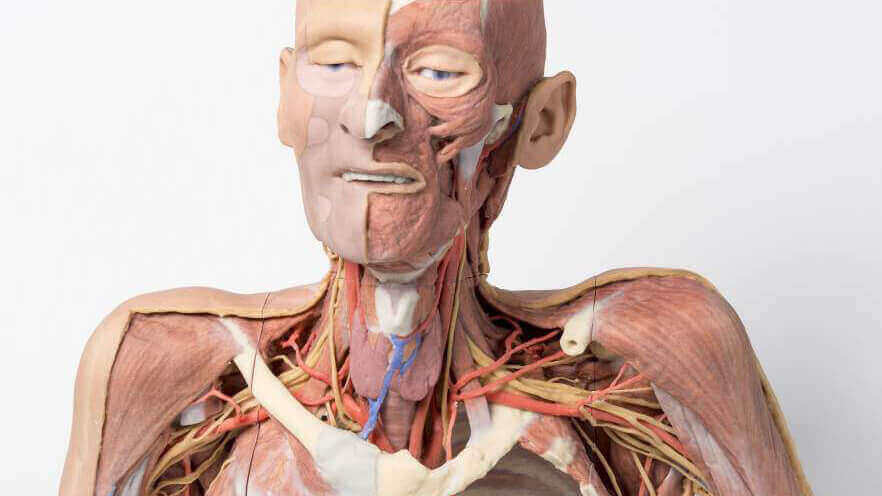
3D anatomy models offer a multitude of benefits across various industries. In the field of medicine, these models allow medical students to explore the intricacies of the human body in a more engaging and interactive way. Healthcare professionals can use 3d Anatomy Model, Rigged 3d Anatomy Model to enhance their understanding of complex anatomical structures and practice surgical procedures in a virtual environment. Patient communication is also greatly improved with the help of 3D anatomy models, as they provide a visual representation that is easy for patients to comprehend, leading to better-informed decision-making.
In addition to education and patient communication, 3D anatomy models are also beneficial in fields such as medical research and product development. Researchers can use these models to study disease processes, test new treatments, and simulate physiological functions. Companies in the healthcare industry can leverage 3D anatomy models to design and develop medical devices, implants, and prosthetics with greater accuracy and efficiency. Overall, the versatility and realism of 3D anatomy models are transforming the way we learn about and interact with the human body, making them an essential tool for advancing healthcare practices and innovations.