
Roof waterproofing is a crucial aspect of building maintenance that often gets overlooked until there are visible signs of damage. It involves applying various protective coatings and materials to the roof surface to prevent water from seeping through and causing structural issues. Whether you have a flat roof or a sloped one, waterproofing is necessary to ensure the longevity of your building and the safety of its occupants.
In this article, we will delve into the importance of roof waterproofing, the different types of materials used, and how to properly maintain a waterproofed roof. We will also discuss common problems that can arise if waterproofing is not done correctly and provide solutions for addressing these issues. By understanding the fundamentals of roof waterproofing, you can take proactive steps to protect your property against water damage and costly repairs in the long run.
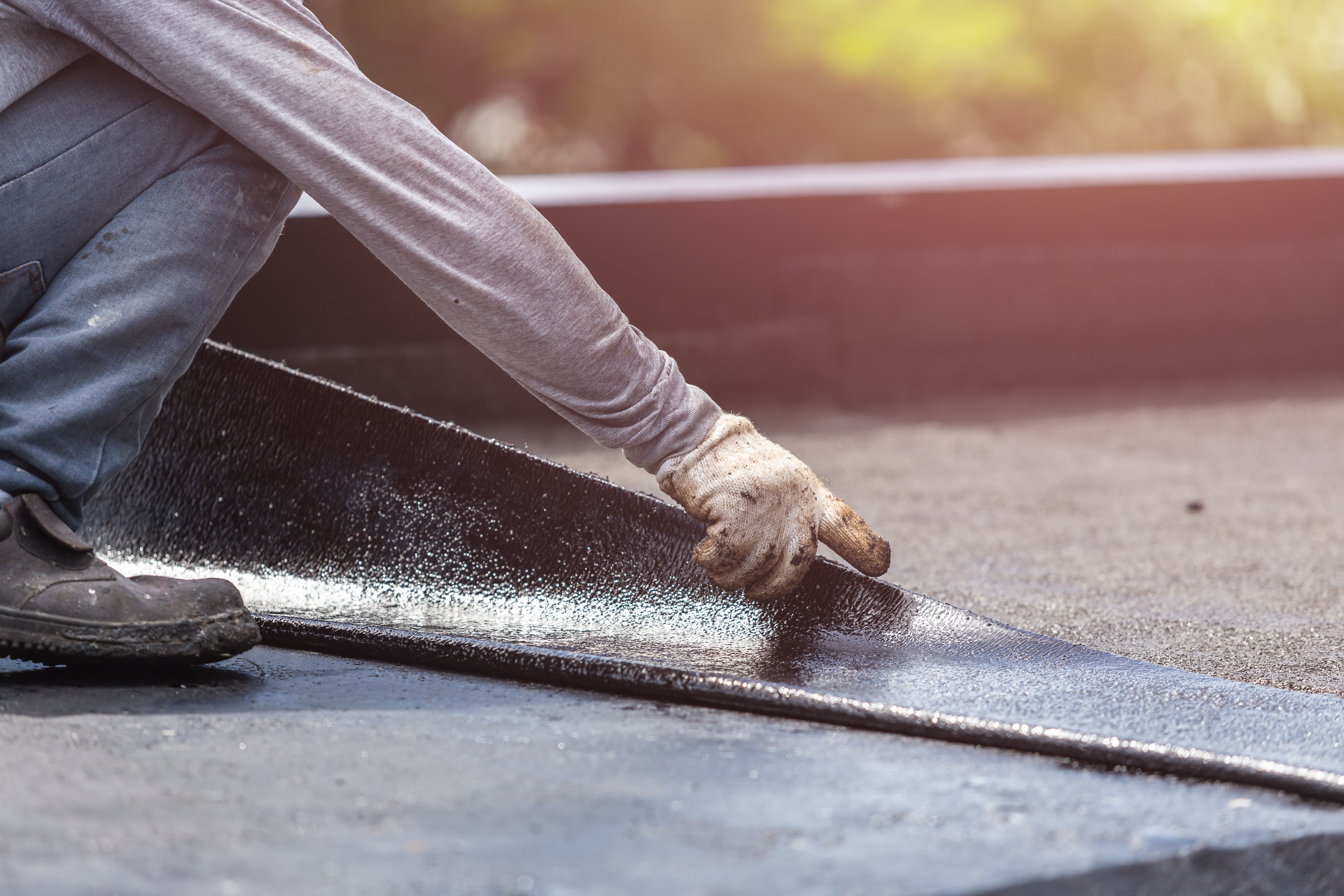
The Importance of Roof Waterproofing
Roof waterproofing is essential for protecting your building from water infiltration, which can lead to structural damage and mold growth. By applying a waterproof sealant or waterproof roof coating, you create a barrier that prevents leaks and prolongs the lifespan of your roof. Without proper waterproofing, water can seep into the building, causing water stains on ceilings, rotting of wooden structures, and compromising the integrity of the entire structure. Investing in roof waterproofing upfront can save you from costly repairs and replacements down the line.
Maintenance and Common Problems
Regular maintenance of a waterproofed roof is crucial to ensure its effectiveness over time. Inspect the roof periodically for any signs of damage or wear, such as cracks, blisters, or peeling coatings. Addressing these issues promptly can prevent water penetration and extend the lifespan of your roof. If you notice any problems with your waterproofing, it is essential to consult with professionals to assess the damage and recommend appropriate solutions. By staying proactive in maintaining your waterproofed roof, you can avoid potential water damage and protect your building for years to come.
In conclusion, roof waterproofing is a vital investment in protecting your building from water damage and ensuring the longevity of its structure. Properly applying waterproof sealants or coatings can prevent leaks, mold growth, and structural deterioration caused by water infiltration. Regular maintenance and inspection of your waterproofed roof are essential to address any issues promptly and avoid costly repairs in the future. By prioritizing roof waterproofing, you can safeguard your property against water damage and maintain a safe and secure environment for its occupants. Stay proactive in protecting your building with effective roof waterproofing methods to avoid potential risks and preserve its structural integrity for years to come.
Leave a Reply